

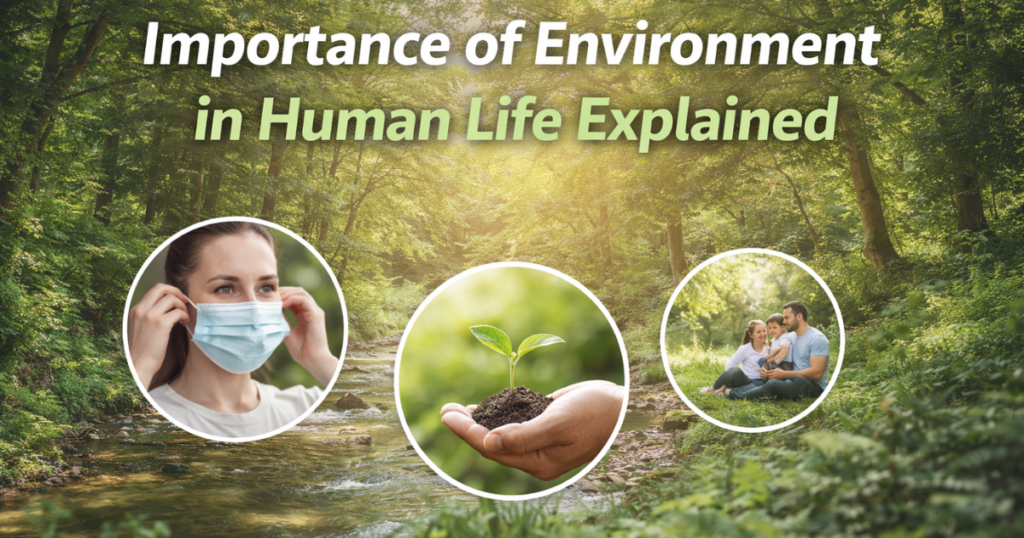
The natural world, as a whole or within a particular geographical area, is known as the environment. Human activity strongly affects it today.
From this definition, we understand that the environment plays a vital role in our lives. We depend on nature for food, air, water, and shelter. However, we can only enjoy these essentials when environmental conditions remain sustainable.
Nothing in nature comes for free. We must protect and nourish the environment if we want it to continue supporting life.
Why the Environment Is Important
The environment supports every species on Earth. It maintains balance through natural processes such as the exchange of oxygen and carbon dioxide.
When we harm the environment, we disturb this balance. As a result, ecosystems suffer, and living beings face serious consequences.
The word environment comes from the French word “environ,” which means “surrounding.” Everything that surrounds us forms our environment.
Environmental science and ecology study how organisms interact with each other and with their surroundings. These interactions shape life on our planet.
Types of Ecosystems
1. Natural Ecosystem
A natural ecosystem develops without human intervention. Examples include:
-
Deserts
-
Forests
-
Mountains
-
Rivers
-
Grasslands
-
Lakes
These ecosystems function through natural cycles and processes.
2. Artificial Ecosystem
Humans create artificial ecosystems. Examples include:
-
Aquariums
-
Crop fields
-
Gardens
-
Parks
-
Zoos
-
Swimming pools
These systems depend heavily on human maintenance.
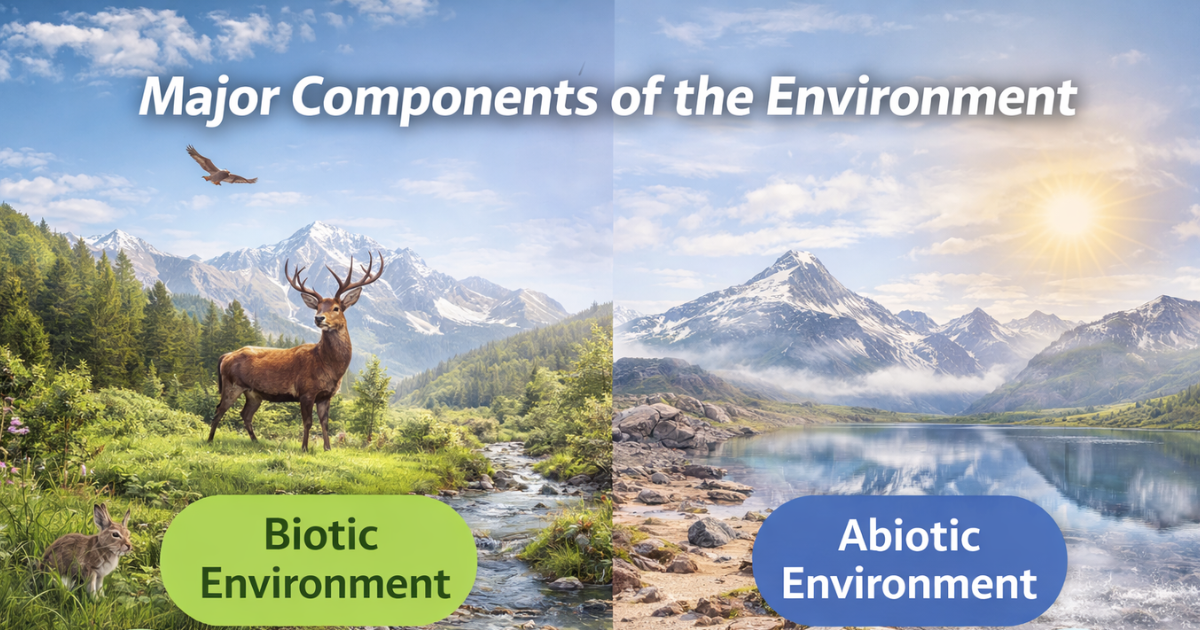
Major Components of the Environment
Biotic Environment
The biotic environment includes all living organisms. These include:
-
Animals
-
Birds
-
Insects
-
Reptiles
-
Plants and forests
-
Microorganisms such as bacteria, fungi, viruses, and algae
All living organisms interact and depend on one another.
Abiotic Environment
The abiotic environment consists of non-living elements such as:
-
Air
-
Water
-
Soil
-
Temperature
-
Humidity
-
Mountains
-
Clouds
-
Sand
-
Dust
These components create the conditions necessary for life.
20 Major Environmental Problems
Human activities have caused serious environmental damage. Below are 20 major environmental problems affecting our planet today:
-
Global warming
-
Climate change
-
Air pollution
-
Water pollution
-
Soil degradation
-
Deforestation
-
Overpopulation
-
Loss of biodiversity
-
Ocean acidification
-
Ozone layer depletion
-
Acid rain
-
Overfishing
-
Urban migration
-
Plastic pollution
-
Melting ice caps
-
Nitrogen cycle disruption
-
Waste generation
-
Dumping of industrial waste
-
Resource depletion
-
Genetic modification impacts
Each of these problems threatens ecological balance.
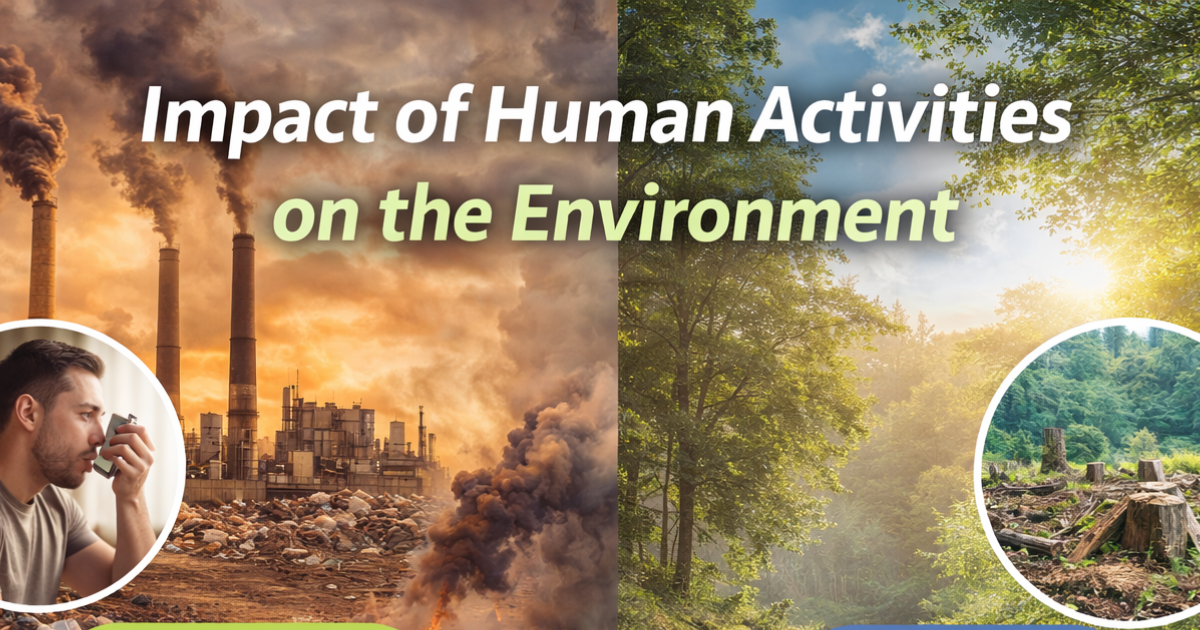
Impact of Human Activities on the Environment
Many people talk about saving the environment, yet few take consistent action. Human activities continue to damage natural systems.
For example, industries release harmful gases into the air. Cities dump untreated waste into rivers and oceans. Farmers overuse chemical fertilizers, which degrade the soil.
As pollution increases, health problems rise. People suffer from asthma, lung diseases, and other respiratory conditions. Contaminated water spreads infections and harms aquatic life.
Furthermore, deforestation destroys habitats. Animals lose their homes, and species disappear. As biodiversity declines, ecosystems weaken.
If we continue these practices, Earth may become difficult to live on.
Why Immediate Action Is Necessary
We cannot ignore environmental damage any longer. Climate change already affects weather patterns. Floods, droughts, and heatwaves occur more frequently.
Clean oceans are turning toxic because of plastic and industrial waste. Small actions, when repeated globally, create massive harm.
However, we can still reverse much of this damage. Governments must enforce environmental laws. Industries must adopt sustainable practices. Individuals must reduce waste and conserve resources.
When people work together, change becomes possible.
Conclusion
The environment sustains human life. In return, we must protect it.
If we respect nature, it will continue to support us. If we ignore it, we will face serious consequences.
The choice remains ours. Protect the environment before nature gives up on us.